 bg
bg
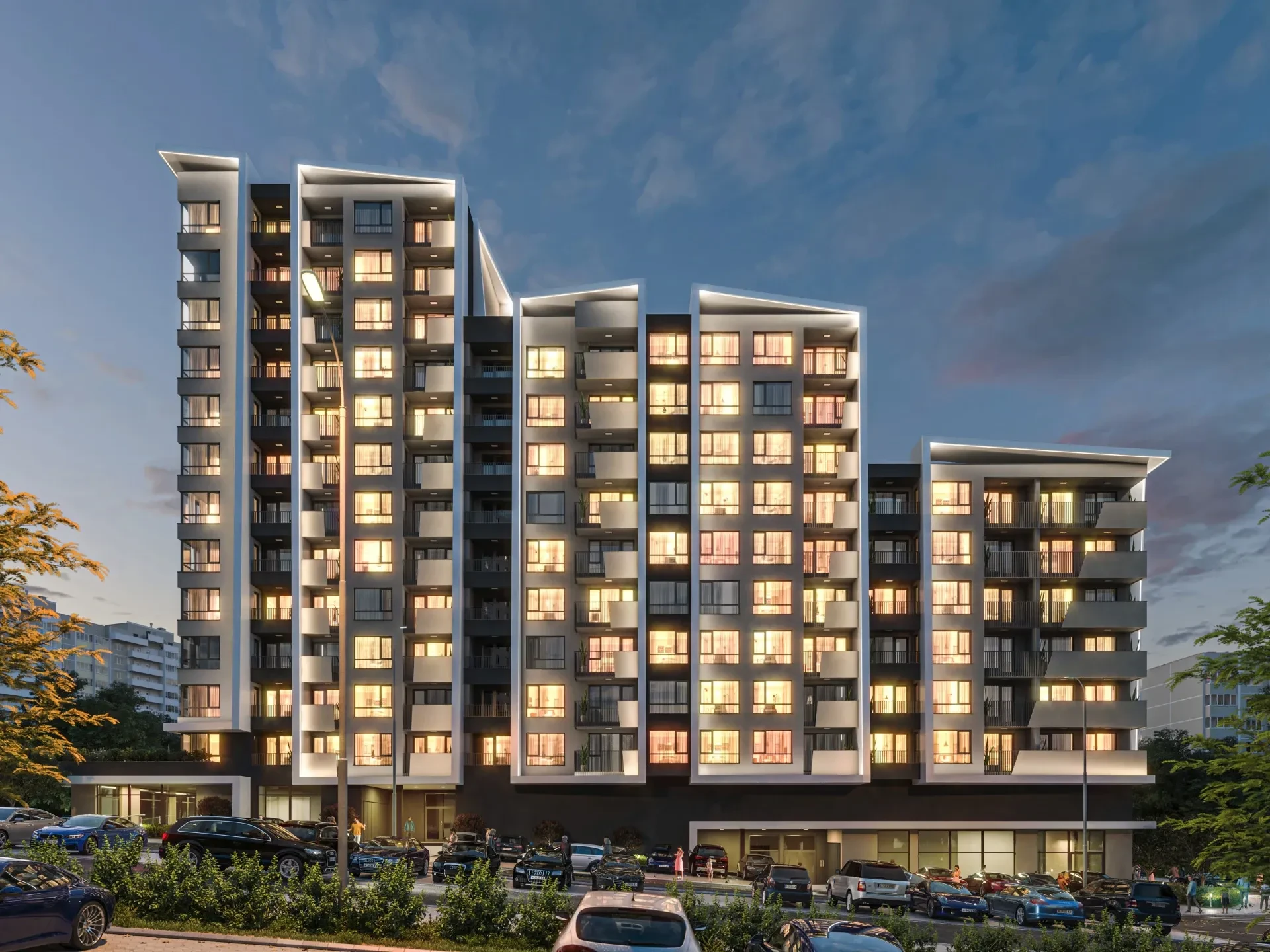
The price per square meter is the favorite advertising trick in new construction. It looks precise, easy to compare, and perfect for a quick decision. In practice, you often compare different types of area, different common area shares, and completely different usability. On paper two apartments can look close. On site, one feels practical and comfortable, while the other sells you more corridor, more awkward corners, and less real living space.
The goal is simple: compare offers in a way that exposes hidden overpricing and judges the home by what you actually get, not by a pretty number in a listing.
The Trap of a Low Price per Square Meter in New Construction
A low price per square meter almost always has a reason. Most often it is not generosity, but a mix of area reporting, common areas, and layout.
The most common scenarios are these.
First, you end up comparing total area in one offer against net area in another, without it being stated clearly. Second, the common area share is high and the listing hides it inside a single total area number. Third, the layout loses too much space to corridors and niches, making the apartment less usable even if the total area looks decent. Fourth, the terrace is heavily counted in the area, but does not bring equal day to day value. Fifth, common areas are built cheaply, then the cost returns later through issues and higher upkeep.
If an offer is noticeably cheaper than comparable homes in the same neighborhood, treat it as a signal to verify, not as a once in a lifetime chance. The difference must be explained with clear numbers and clear qualities.
Net Area vs Built Up Area The Difference You Pay Every Month and at Resale
You live in the net area. This is the space you actually use inside the apartment. Built up area and total area matter for documents and formal descriptions, but for comparing offers the leading number is net area.
When you compare only by total area, you risk paying for square meters that are not part of your daily life. This is not theoretical. It is a direct financial loss. In areas such as central Sofia or the coastal zones of Burgas, where prices are at their highest, every square meter lost to a corridor equals thousands of leva in pure loss.
A Number Example That Shows Hidden Overpricing
Apartment A costs 240,000 BGN. Total area is 90 sq m and net area is 75 sq m.
Apartment B costs 235,000 BGN. Total area is 92 sq m and net area is 82 sq m.
In a listing the two can look similar. You might even feel A is a good deal because the total area seems fine. The real price per square meter by net area shows the opposite.
For A, 240,000 BGN divided by 75 sq m equals 3,200 BGN per sq m net area.
For B, 235,000 BGN divided by 82 sq m equals about 2,866 BGN per sq m net area.
The difference is over 300 BGN per sq m net area. Across 80 sq m that becomes tens of thousands of leva. This is how many buyers think they bought well, then realize they paid more for the space they actually use.
Common Areas The Concrete the Buyer Pays For
Common areas are not a number. They are real spaces that cost money to build and cost money to maintain. You pay for them once in the purchase price, then you keep paying through maintenance, repairs, and building management.
In a well designed building, common areas are reasonable in size and their quality shows daily: the entrance is finished properly, the elevator works reliably, lighting is adequate, access is controlled, the stairwell does not look worn after two years. The issue appears when the common area share is high and the explanation is unclear.
What Common Areas Include and Where the Share Gets Inflated
Some common areas are unavoidable: entrance, stairwell, landings, elevator zones, corridors, technical spaces. They are part of life in the building.
In other cases the share grows without bringing value to the buyer. This happens with overly wide floor corridors, oversized lobbies, complex geometry and extra turns that increase space outside the apartment without improving how you live inside.
When the common area share is higher, you must know what exactly you receive for it. If the common areas are spacious, well executed, built with durable materials, and planned logically, a higher share can make sense. If you pay more common areas and receive cheap execution and more dead corridor space, you pay for extra concrete without real benefit.
Terraces, Niches, Shafts, Thick Walls The Square Meters You Do Not Live In
A terrace can be a major advantage. It can also be an area number that does not work for your life. The truth is in the details: shape, width, access, exposure, whether you can place a table and chairs, wind protection, and connection to the living room.
New construction also hides another frequent loss: square meters that disappear into niches, shafts, thick walls, and awkward corners. They may be part of the structure, but when there are too many, they reduce net area and make furnishing harder.
Signals that the square meters are bigger on paper than in real life include these.
The corridor is too long and too wide for the size of the home. The living room has an awkward shape and does not allow a proper kitchen and dining area. The bedroom has niches that block normal placement of bed and wardrobe. The bathroom has squeezed zones that force compromises. The plan has too many turns that add area but remove usability.
Layout and Floor Plan The Real Value of an Apartment in Central Areas
In higher priced areas, layout mistakes are punished the most. Not only because the square meter costs more, but because liquidity depends on usability. Buyers and tenants feel functionality the moment they step inside, regardless of what the listing claims.
Criteria that truly add value are straightforward.
A living zone with clean geometry that supports a proper kitchen, dining, and seating without compromise. Bedrooms with straight walls and enough room for wardrobes. Wet rooms positioned logically near vertical shafts, without cutting into the living zone. Storage spaces planned into the layout, not left to improvisation. Daylight and exposure that work with the plan.
Two apartments can have similar total area and similar price, yet one can be far better to live in. That apartment sells easier and rents easier. This value rarely shows in a listing square meter number.
Documents and Area Verification Where the Truth Is Written
Everything important about areas must be in documents, not in verbal assurances. If it is not written, tomorrow it can become a different understanding.
The document pack you should see before signing includes these.
A plan of the specific apartment, not a sample plan. A numeric breakdown of net area, built up area, and common areas. A clear description of terraces and how they are counted. A specification for the common areas and the completion level. A clause that defines what happens if there is an area deviation and how it is handled at handover.
Responsibilities at construction milestones and the handover process are also tied to the project documentation. To understand the framework, use the article Act 14 Act 15 and Act 16 in 2026 as a guide when discussing timelines, acceptance, and defect remediation.
Parking Space, Garage, Storage Real Price and Value in Central Sofia and Burgas
Many buyers argue over a few square meters inside the apartment and miss what can shift value far more: a parking space, a garage, and a truly usable storage room.
In central zones, parking is not a convenience, it is a daily cost in time and stress. A parking space often raises liquidity more than a small difference in apartment size. The same applies to a garage when access is convenient and the paperwork is clean.
Storage has value only when it is accessible, dry, reasonably sized, and genuinely usable. A formal storage unit that is awkward or damp becomes dead area.
The questions must be concrete: what is the legal status, how is it transferred, how is it described in the documents, and what are the real dimensions. If this is unclear, the risk sits with the buyer.
Pre Signing Checklist 12 Checks That Stop Hidden Overpricing
-
Net area of the specific apartment, stated as a number on the plan
-
Built up area and common areas, shown separately and clearly
-
Common area share for the specific apartment and a written breakdown of what it includes
-
Terrace and how the terrace is included in the area calculation, written clearly
-
Corridors and lost space, judged by plan and by realistic furnishing
-
Wet room positions relative to shafts and risers
-
Niches, shafts, and plan turns that affect furnishing and usability
-
Common area specification and materials, not computer drawings and promises
-
Entrance, elevators, access control, ventilation, and lighting in common areas
-
Handover protocol and clear acceptance rules with a defect list process
-
Monthly maintenance and building management costs calculated in advance
For orientation on this topic, use the article Maintenance fee and shared costs in 2026 and compare it to the real plan for the building -
Area deviation clause and a dispute procedure written in plain language
When these 12 points are covered, the chance of paying for empty square meters drops sharply.
Applied to TV Property Projects An Audit Style Read of an Offer, Plan, and Specification
In TV Property projects, where construction experience exceeds 30 years, prevention starts with the viewing and the documentation. The buyer benefits most when the process is transparent: the plan is specific, areas are broken down, common areas are described, and handover follows a protocol.
What you should request at a viewing includes these.
A plan of the specific apartment. A numeric area breakdown. A terrace description and how it is counted. A common area specification. A handover and acceptance logic with a protocol and deadlines for notes.
If turnkey finishing is discussed, treat it as part of the real value of the home. It affects the budget, the reserves you need, future decisions about property insurance, and the risk of undervaluing the home. It must be priced and described, not only agreed verbally.
Final Criteria for Comparing Apartments Without Self Deception by Area
Before deciding, complete three final checks.
First, compare by net area. If net area is not clearly present in the documents, request it. Without it you compare in the dark.
Second, treat common areas as real space you buy, not as a percentage. If the share is high, you must know exactly what it includes and what quality you receive.
Third, judge the plan by functionality. If furnishing is difficult, if corridors eat the living zone, if the bedroom is awkward, the price per square meter will not save you. Location helps, but it does not fix a bad layout.
When these checks are done, the price per square meter becomes just an ориентир. The core becomes clear: how much real space you buy, how much you truly pay for it, and how strong the property remains after 5 and 10 years.
Frequently Asked Questions About Net Area, Common Areas, and Price per Square Meter
Net area vs built up area what is the difference for a buyer
Net area is the space you actually use in the apartment. Built up and total area include elements outside daily use. For offer comparison, net area is the leading metric.
Common areas when are they normal and when are they a problem
They are normal when the share is reasonable and quality is high. They are a problem when the share is high and there is no clear breakdown of what it includes and why.
Terraces how do they affect value
A terrace adds value when it is usable and well shaped. When it is heavily counted but narrow or awkward, it increases the number without increasing the home.
Two apartments with similar square meters when is one more expensive in reality
When net area differs, when common areas differ, and when the layout loses space to corridors, niches, and turns.
What must be in the preliminary contract to avoid an area dispute
A plan of the specific apartment, an area breakdown, the common area share, terrace description, and an area deviation clause with a clear procedure.
Parking space or a few extra square meters inside which matters more in central areas
In many central zones, a parking space or garage increases liquidity and resale interest more than a small area difference, if status and transfer are clear.
How to assess common area quality at a viewing
Check materials, completion level, lighting, ventilation, access control, and overall logic. Strong document discipline usually matches strong execution discipline.

Vladimir Kolev is the CEO of TV Property and an entrepreneur in the field of residential and investment properties. He graduated in Economics and Mathematics from the University of Bath and Sofia University and has practical experience in the development of distinguished residential projects in Sofia and along the Black Sea coast.