 bg
bg
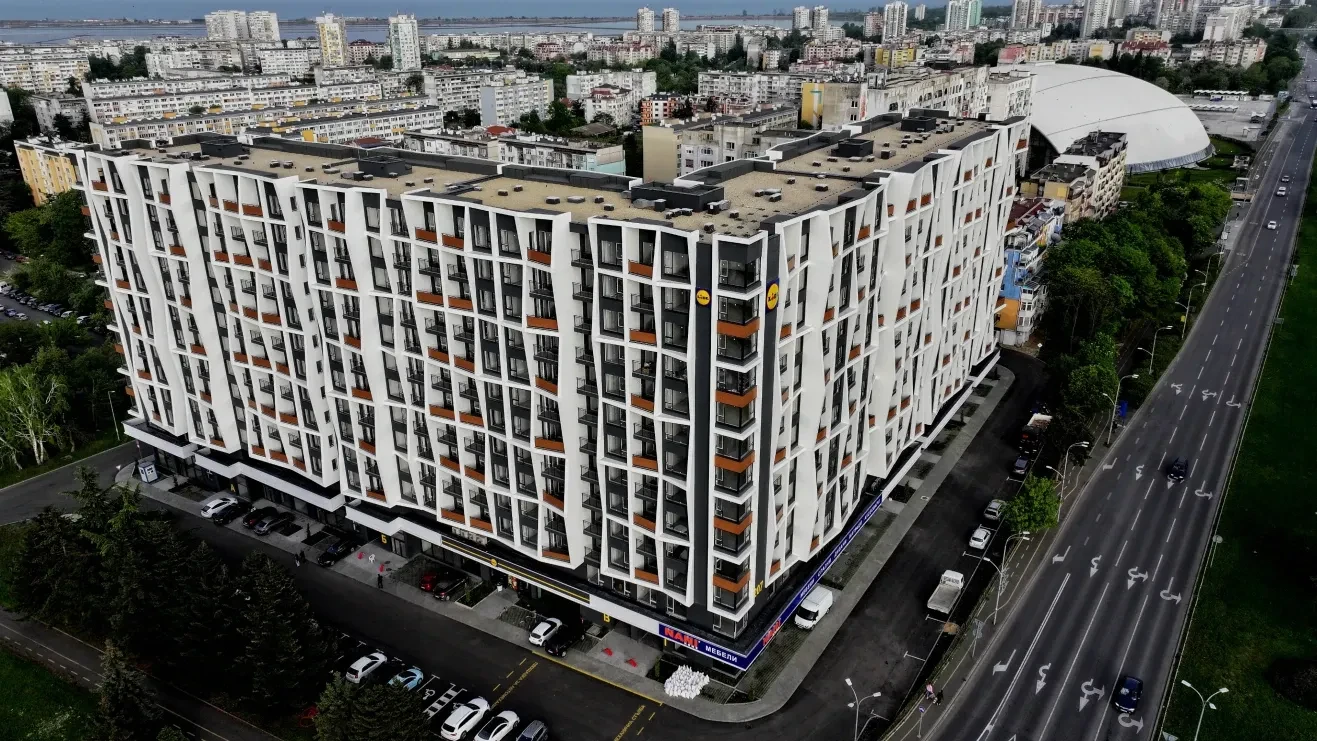
But in 2026, the biggest difference between two seemingly similar properties often comes from something quieter: how the building is managed and what it costs to own it month after month. This matters especially for city-center property and city-center apartments, where underground garages, access control, and richer common areas bring higher ongoing costs.
This guide is for anyone at the buy an apartment stage who is comparing new apartments in Sofia or Burgas and wants the full picture: not only the deal price, but the cost of everyday life. You will find a method, the right questions to ask, and scenarios that help you decide calmly, without being distracted by glossy visuals.
If you have one minute
-
Maintenance fees shape your budget and your daily quality of life
-
Transparency is everything: what is included, who sets it, who controls it
-
More amenities mean more responsibility: the key is whether costs create real value
-
Bad management destroys value: cleanliness, safety, repairs, and conflict show fast
-
Compare total cost of ownership, not just the purchase price
Why this decides the choice in new construction
In property development, quality does not end at the occupancy permit. The real test begins when the building lives: do elevators run smoothly, is the yard maintained, is the entrance clean, is the garage safe. All of that is financed and managed.
How running costs affect value
-
For personal use: predictable costs create calm
-
For a property investment: costs affect tenant demand and net returns
-
For resale: buyers increasingly ask about fees and the repair reserve
Luxury property is not only higher-grade materials. It is also a higher maintenance standard. The difference is whether that standard is organized and fair.
What maintenance fees usually include
Day-to-day common area costs
-
cleaning of entrances, staircases, elevators, garage
-
lighting and consumables in common areas
-
elevator servicing and scheduled inspections
-
yard and landscaping maintenance, if present
-
servicing of doors, barriers, intercom, access systems
-
administrative management: meetings, accounting, fee collection
-
insurance for common areas, depending on the owners decisions
Repair and renewal reserve fund
If there is no reserve, or it is symbolic, major repairs later lead to emergency cash calls and neighbor conflict. In new construction, the reserve can be built gradually and calmly while systems are still new.
The key distinction: cost versus value
A lower fee can look like a win, but sometimes it is a warning. A higher fee can be fully justified if it buys stability, cleanliness, and safety.
When a higher fee makes sense
-
the building is in a busy area and needs more frequent cleaning and control
-
there is an underground garage with safety systems and secure access
-
common areas are maintained so they do not visually age
-
there is a yard and landscaping that people genuinely use
-
rules, reporting, and accountability are clear
When the fee signals a problem
-
it is unclear what is included and who is responsible
-
costs rise without explanation or a plan
-
constant conflicts exist between owners and management
-
repairs happen only after failures, with no prevention
12 questions to ask before you buy an apartment
-
What exactly is included, broken down by items
-
Is there a separate repair and renewal reserve and how is it managed
-
Who manages the building: internal, building manager, or a specialized company
-
How are decisions taken and where are meeting minutes stored
-
Is there a maintenance contract and what are response times
-
How is service quality controlled
-
How is the fee calculated for different unit types
-
What happens when owners do not pay and how reliable owners are protected
-
How are elevators, garage doors, and access systems serviced
-
How is security handled: lighting, cameras, entrance control
-
How are costs distributed if there is an underground garage
-
Is there a preventive maintenance plan, not only fixes after issues
How to compare two buildings without getting misled
Step 1: compare like with like
Compare buildings with similar locations and similar amenities. Do not compare a building with an underground garage and controlled access to one without them and expect the same costs.
Step 2: split costs into two buckets
-
daily-life costs: cleaning, lighting, small repairs
-
sustainability costs: reserve fund, prevention, contracts, oversight
Step 3: look at common areas over time
Well-kept common areas protect value. Visible wear makes future resale harder even if the apartment itself is good.
Two realistic scenarios that reveal the risk
Scenario 1: low fee, no reserve
At first everything looks fine because the building is new. After a few years, small issues appear: garage door wear, entrance finishes, lighting failures, dirt buildup. There is no reserve. Money is collected ad hoc, conflict grows, some pay and others delay. Repairs are postponed and wear becomes visible. If you later move toward resale, a buyer feels the problem the moment they enter.
Scenario 2: reasonable fee, clear reporting
The building has a preventive plan and a reserve that grows steadily. Small problems are solved early. The entrance is clean, the garage works calmly, the yard is maintained. In such a building, renting is easier and selling is easier because buyers can see order and accountability. That is real added value for a property investment.
Transparency and accountability: what normal looks like
What you should expect as an owner
-
regular reporting: collected amounts, paid costs, reserve balance
-
a preventive schedule: elevators, garage doors, systems, lighting
-
clear communication: a channel for issues and a response timeframe
-
decision minutes and house rules
-
contractor oversight: who cleans, who repairs, who is accountable
The underground garage: value, but also a cost center
A garage is an advantage only if it is comfortable and safe, and if rules exist. It also requires ongoing care: doors, lighting, safety, hygiene, drainage.
What explainable quality looks like in a garage
-
safe access and good lighting
-
controlled entry and disciplined use
-
comfortable ramp and turning geometry
-
clean surfaces and proper water handling
-
clear rules for shared spaces
In city-center apartments, the garage is often a decisive purchase argument, but it must be managed so it does not become a constant source of problems.
Sofia and Burgas: how context changes costs
Sofia
In the Sofia market, central and heavily used buildings often have higher costs where traffic, dust, and access control needs are stronger. That can be justified if services are real and reporting is clear.
Key pressure points:
-
entrances and façades: more visible wear and faster soiling
-
access control: more movement means higher security needs
-
garage and parking: a value driver, but only with organization
Burgas
In Burgas, common areas and exterior elements are tightly linked to the environment. With seasonal use, security and maintenance routines matter even more because owners may be absent for periods.
Key pressure points:
-
exterior details and shared outdoor areas
-
yard and landscaping: a benefit only when truly maintained
-
management during owner absence: clear rules and control
A practical 6-step total cost of ownership model
-
Write down the apartment price and what finishing is included
-
Write down the maintenance fee and whether there is a separate reserve fund
-
List the shared amenities: garage, yard, access control, elevators
-
Decide which amenities truly matter for your daily life
-
Check how the building is managed and how reporting is done
-
Compare with an alternative in the same segment and area
Common mistakes when choosing an apartment
Mistake 1: choosing the lowest fee
A low fee without management and reserve is not saving. It is a delayed bill.
Mistake 2: assuming all buildings are managed the same
They are not. Management is part of the product.
Mistake 3: treating the garage as automatic value
It is value only when it is comfortable and rules exist.
Mistake 4: not asking who is responsible
Without clarity on responsibility, problems drag on.
Frequently asked questions
How do I know the fee is reasonable
Compare with similar buildings and verify what you get in service and reporting.
What is the biggest risk if there is no reserve
The first major repair turns into emergency collections and conflict.
Does this matter for investment
Yes. Running costs affect tenant demand and resale attractiveness.
Why is this critical in city-center property
Because the load is higher and management is a decisive value factor.
Final point
In 2026, choosing an apartment does not end with the purchase. It continues with how the building lives and how its value is protected. If you are comparing apartments in Sofia or Burgas and plan to buy apartments in new construction, put maintenance fees and management quality among your first criteria. That is how you buy a home that works today and remains a stable asset tomorrow.
In TV Property projects, we treat building management as part of quality: when management is chaotic, even a good apartment loses value.

Vladimir Kolev is the CEO of TV Property and an entrepreneur in the field of residential and investment properties. He graduated in Economics and Mathematics from the University of Bath and Sofia University and has practical experience in the development of distinguished residential projects in Sofia and along the Black Sea coast.